Discreet Hotels Where Privacy Is Standard
In the evolving world of luxury travel, privacy has become more than an added benefit — it is now the defining feature of true high-end hospitality. For the world’s wealthiest and most widely traveled guests, seclusion is not optional. Industry analysts note a strong shift toward “ultra-private travel,” with affluent travelers increasingly seeking entire villas, private islands, chartered aircraft, and resorts intentionally hidden from the public eye. Surveys indicate that more than 85% of affluent travelers now consider privacy a top priority.
In response, certain hotels, villa estates, and private-island retreats have built their entire identity around discretion. These properties blend architecture, operations, security, and location strategy to ensure that guests remain unseen and undisturbed. The following analysis evaluates standout examples across four criteria: architectural seclusion, discreet service, stability and accessibility of location, and their overall appeal to high-net-worth individuals — particularly business leaders, entrepreneurs, consultants, and investors.
Ultra-Private Branded Estates
Aman Resorts (Worldwide)
Aman has long been the benchmark for ultra-private luxury. Its design philosophy emphasizes sanctuary-like environments, standalone villas, and “invisible architecture” — natural materials, mature landscaping, and low-profile structures that blend into the terrain. Many Aman properties, such as Amanpulo in the Philippines, are purpose-built for maximum privacy. Amanpulo occupies an entire coral island and features only 16 villas, each with a private pool, personal staff, and an electric buggy for discreet movement around the island.
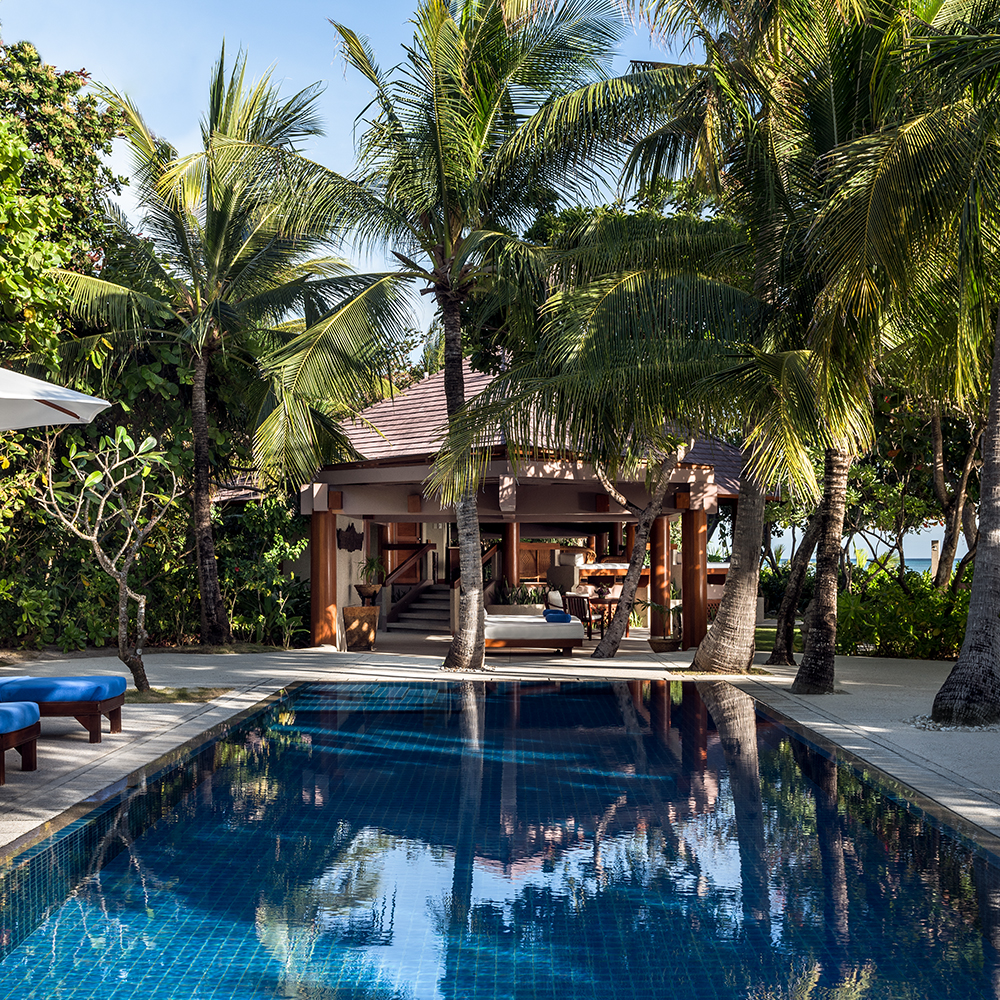
The brand’s signature layout centers on self-contained pavilions, villa wings, private gardens, and sightlines that deliberately avoid other structures. Interiors often position master suites in secluded wings, ensuring that even within a villa, guests have retreat spaces shielded from outside view.
Service at Aman is intentionally unobtrusive. Staff adjust their routines to guests’ schedules, housekeeping is timed to avoid interruptions, and private check-in options allow high-profile visitors to bypass public areas. Transportation, security, and activities are arranged discreetly, often through private escorts or off-hours access.
Aman’s global footprint includes jurisdictions known for political stability and pro-luxury policies — Cyprus, Thailand, Japan, California, Morocco, and the Maldives among others. Its client base includes UHNW families renting entire villas, entrepreneurs seeking off-grid time, and wealth clients who value a brand with a longstanding reputation for secrecy and restraint. Across the portfolio, Aman sets the standard for “effortless privacy”: complete seclusion delivered without visible effort.
Six Senses Resorts (Selected Properties)
Six Senses has established its own privacy-focused identity through villa-based designs in remote natural settings. Properties like Six Senses Yao Noi in Thailand illustrate this philosophy: only 56 villas are scattered across a jungle hillside, each screened by vegetation and topography. Guests enjoy private infinity pools, outdoor showers, sun decks, and shaded terraces that feel entirely detached from the rest of the world.
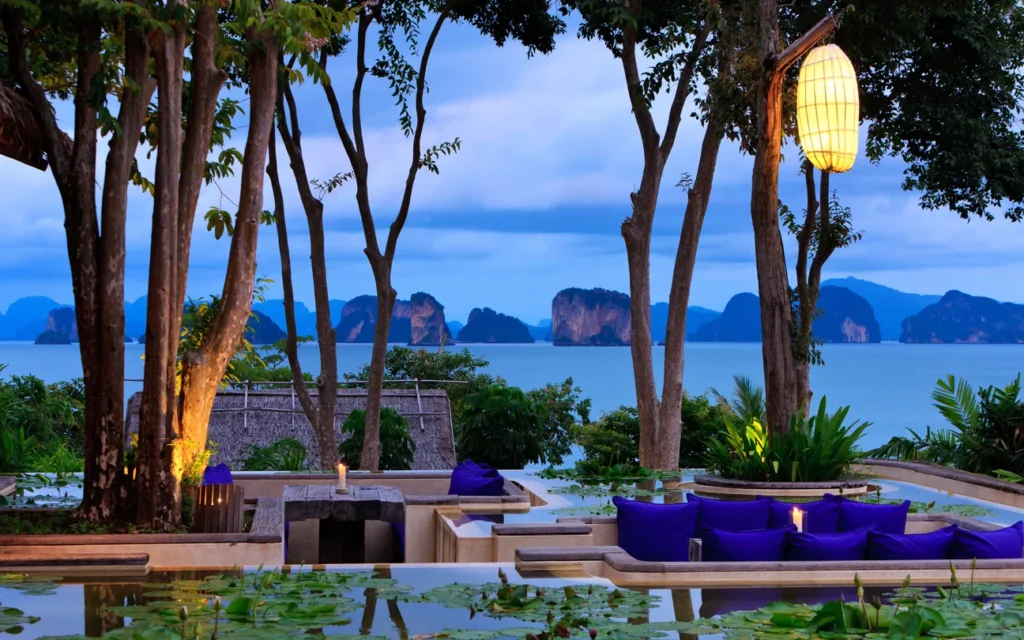
Staff — known as Guest Experience Makers — maintain a near-invisible presence. They coordinate activities, meals, and transportation quietly and adaptively, ensuring guests’ privacy whether relaxing by the pool or dining in-villa. At many locations, guests see staff only when needed, reinforcing the resort’s “your own retreat” ambiance.
Other brands with similar approaches — Capella’s tented lodges, Banyan Tree’s standalone villas, and select Auberge or One&Only properties — share these privacy principles: low-rise layouts, natural screens, and an emphasis on secluded personal space.
Six Senses properties typically reside in tourism-friendly, stable jurisdictions such as Thailand, Croatia, Fiji, or the Seychelles. Their clientele includes affluent honeymooners, wellness travelers, and families seeking restorative, private environments. Collectively, Six Senses and Aman showcase how modern luxury resorts use design, staffing, and location strategy to make privacy a default feature rather than an exclusive upgrade.
Bespoke Villa-Only Retreats
ÀNI Private Resorts (Anguilla, Dominican Republic, Thailand, Sri Lanka)
ÀNI Private Resorts operates a rare model: every booking includes exclusive use of the entire property. These villa estates, located in scenic and stable destinations, host only one party at a time. Whether in Anguilla or Sri Lanka, guests have full access to a large, contemporary home-like complex featuring 8–15 suites, expansive living rooms, al fresco dining pavilions, pool terraces, and gardens — all designed solely for the group on-site.
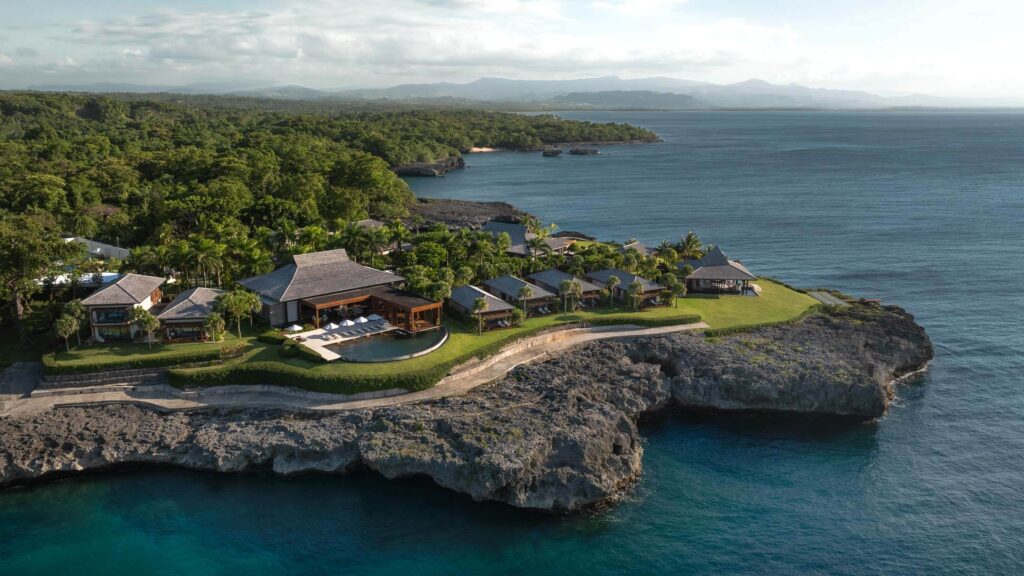
ÀNI’s architecture prioritizes privacy through strategic landscaping, gated perimeters, and self-contained compound layouts. No facilities are shared with other travelers. Staff levels are unusually high — typically 20–30 team members including chefs, butlers, childcare specialists, housekeepers, fitness leads, and activity planners. The result feels more like a secured private estate than a hotel.
Logistically, ÀNI specializes in discreet travel: private charters, helicopter transfers, and low-traffic arrival points are standard. The brand’s destinations — from Anguilla’s calm cliffs to Sri Lanka’s southern forests — combine exclusivity with relative geopolitical stability. Ideal guests include multigenerational families, private celebrations, confidential corporate retreats, and UHNW groups for whom complete control of the environment is paramount.
COMO Laucala Island (Fiji)
COMO Laucala is one of the world’s most private and exclusive island destinations. Spanning 3,500 acres, the island is a self-contained world with only 25 villas. Each villa is hidden within lush forest canopies, positioned along secluded beaches or tucked into hillside cliffs. Many feature private pools carved into natural rock, expansive outdoor decks, and full-service staff — all without any visibility from neighboring residences.
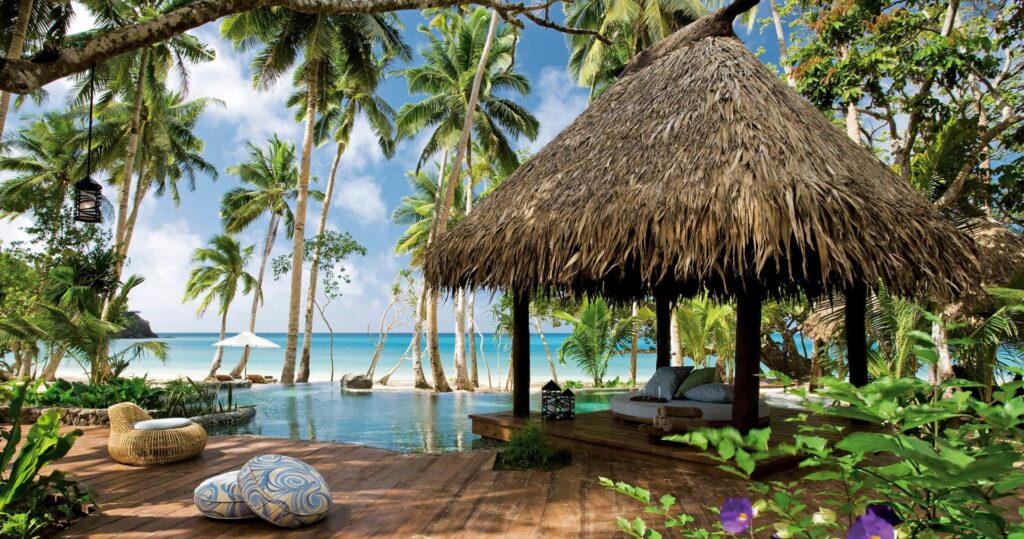
The island’s access is tightly controlled. Guests arrive via private plane on Laucala’s own airstrip, ensuring total discretion during entry and exit. On-island transport is facilitated through personal golf carts and private drivers, minimizing interactions with others. Service protocols rely on quiet digital communication and almost invisible staff presence.
The property’s clientele is among the most elite in the travel world — billionaires, global executives, celebrities, and privacy-dependent public figures. Fiji’s stable legal system and established mechanisms for foreign investment add further reassurance. COMO Laucala represents the apex of private travel: a completely insulated environment where guests can be entirely unseen, even by other guests.
Secluded Beach and Island Sanctuaries
Rosewood Little Dix Bay (British Virgin Islands)
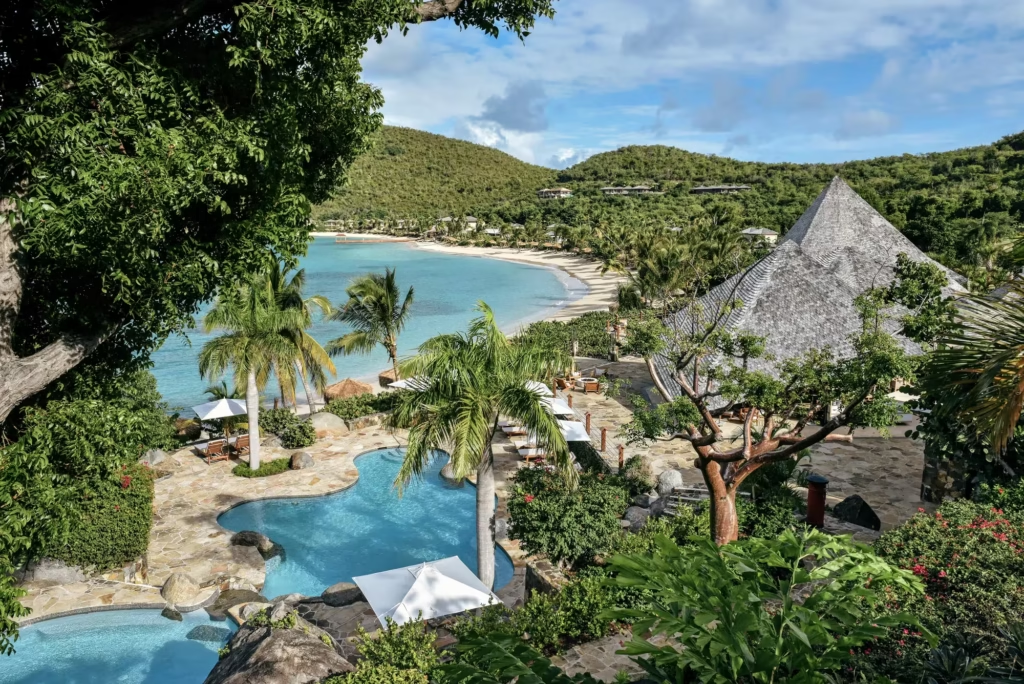
This classic Caribbean retreat occupies 500 acres of protected peninsula on Virgin Gorda, offering long stretches of undeveloped coastline and low-rise cottages hidden among tropical greenery. Despite its size, the resort feels intimate: most accommodations are standalone bungalows or small villas separated by meandering paths, palms, and flowering shrubs.
Outdoor showers, private garden patios, and shaded terraces create personal pockets of seclusion. Even beachfront cottages enjoy natural screening. Guests enter through a secure, gated road, and services — from housekeeping to butler assistance — are tailored around privacy.
The British Virgin Islands offer political stability, robust financial services, and reliable infrastructure, making Little Dix Bay particularly appealing to privacy-focused travelers and investors. Its clientele includes wealthy families, executives seeking a Caribbean escape, and long-stay visitors wanting the security of a stable, elegant enclave.
Banyan Tree Mayakoba (Mexico)
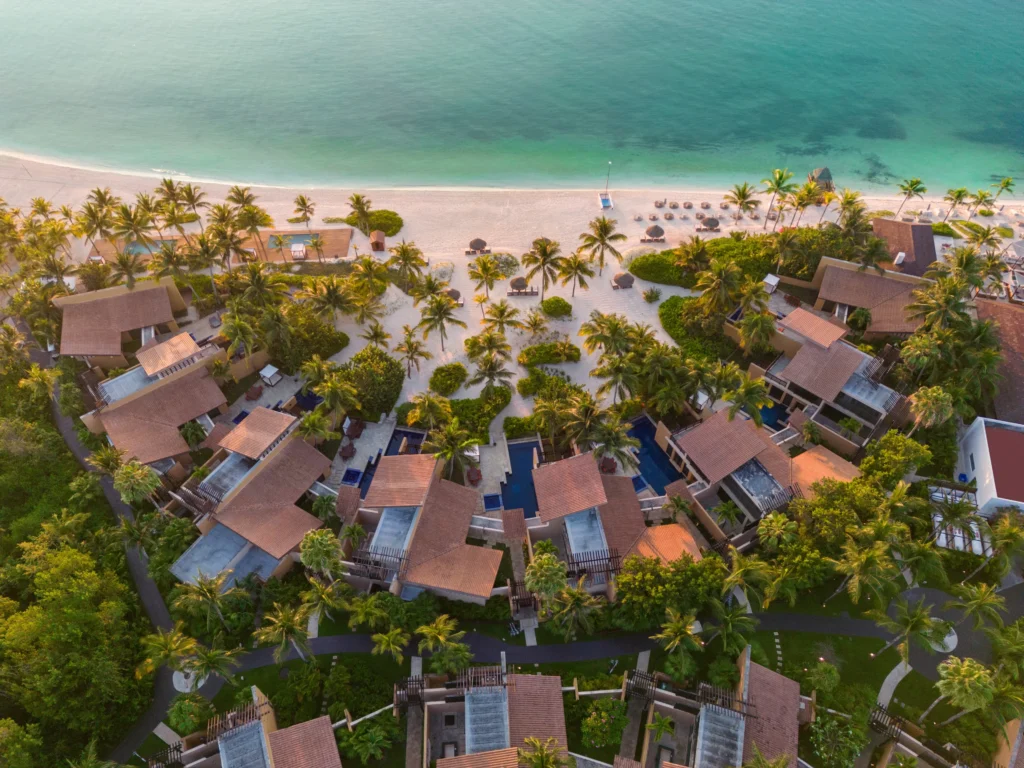
Banyan Tree Mayakoba sits inside a secure, gated 595-acre enclave on Mexico’s Riviera Maya. Unlike many beach resorts, it faces internal lagoons and mangroves, creating a secluded “water-world” environment accessible largely by boat or bicycle. Guests can book lagoon villas or beachfront private suites, each featuring plunge pools, walled gardens, and indoor–outdoor living areas designed for maximum discretion.
Although the resort sits near a major tourism corridor, its private-gated setting shields guests from outside access. This makes it ideal for corporate retreats, private workshops, and family gatherings where controlled privacy is desired. Mexico’s significant investment in Riviera Maya tourism infrastructure ensures strong accessibility through Cancun International Airport.
Clientele include executives, creative teams, couples, and wellness travelers who want tropical isolation paired with modern conveniences and reliable security.
Four Seasons Resort Lanai (Hawaii, USA)
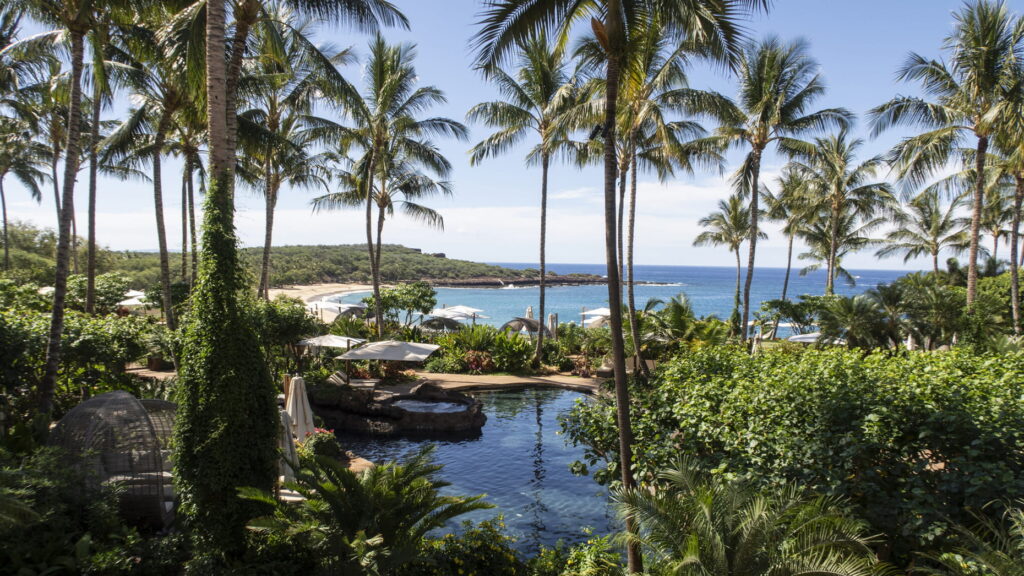
The Four Seasons Resort Lanai exemplifies geographic seclusion. Located on Hawaii’s smallest inhabited island, the resort occupies one of the few accessible beachfront zones on Lanai. Hulopo‘e Beach sees minimal traffic beyond hotel guests, and the island’s limited development means the surrounding environment remains quiet and undisturbed.
Suites and villas overlook ocean cliffs or hillside gardens, and landscaping ensures privacy between terraces and outdoor spaces. Because the island is part of the United States, visitors gain the legal protections, medical standards, and logistical stability of a highly developed jurisdiction — a key draw for executives and celebrities.
The resort appeals to guests who want Hawaii’s beauty without crowds: long-stay travelers, discreet couples, North American business leaders, and yacht owners. Many activities (golf, sailing, diving) can be privately arranged, reinforcing its reputation as one of the most secluded major-brand resorts in the world.
Baoase Luxury Resort (Curaçao)
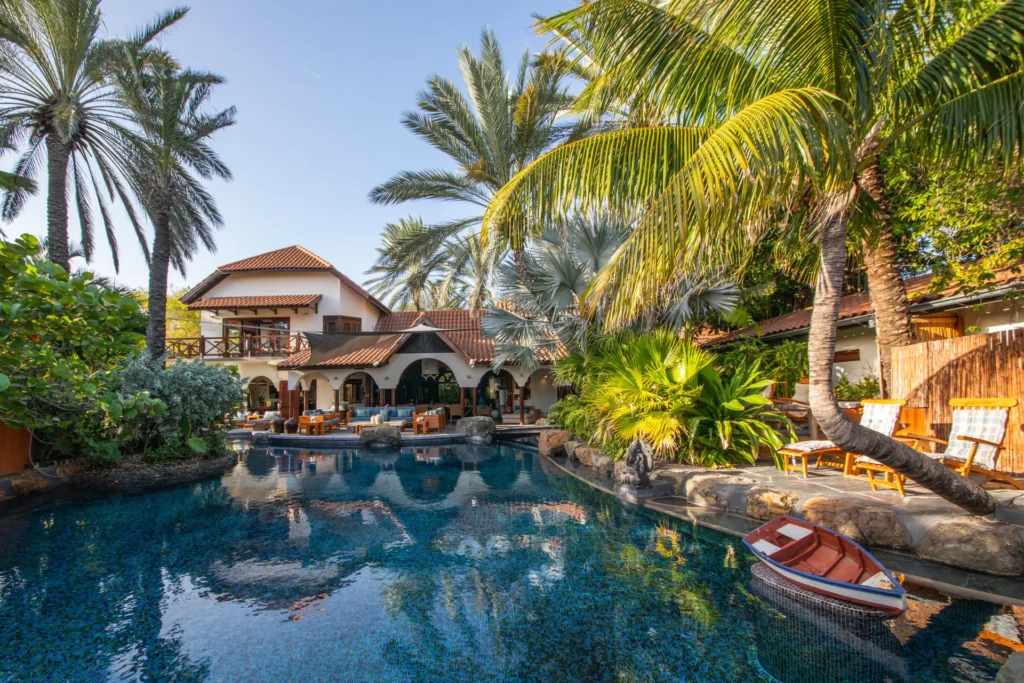
Baoase provides a boutique approach to extreme privacy. With only 23 villas — including one situated on its own private island just offshore — the resort offers an unusually intimate experience. Guests can reserve the “private island villa,” gaining a completely isolated space with personal staff, full kitchen, private dock, and zero proximity to other guests.
The resort’s Balinese-inspired design fosters privacy through stone walls, thick tropical gardens, pool courtyards, and secluded terraces. Many villas offer direct beach access while still feeling completely hidden. Curaçao’s stability as part of the Dutch Caribbean provides secure legal and financial frameworks while maintaining a relaxed island atmosphere.
Baoase caters to honeymooners, VIP families, and privacy-focused travelers celebrating significant milestones. Its ability to offer an entire island to a single party places it among the world’s top choices for total seclusion without sacrificing accessibility or luxury.
Concluding Insights
Across all these high-end properties, several trends define the new standard of privacy in luxury travel:
- Low-Density, “Invisible” Architecture
Privacy begins with spatial design. Resorts increasingly feature:
- Standalone villas rather than multi-story hotels
- Strategic landscaping to shield sightlines
- Private pools, gardens, and outdoor showers
- Layouts that remove the need for public corridors
The goal is to create an environment where guests rarely encounter others unless they choose to.
- Discreet and Adaptive Service
Top-tier privacy requires service that is:
- Quiet
- Predictive
- Personalized
- Staffed at high ratios
From silent check-in to in-villa dining and individualized activity planning, staff are present without being intrusive.
- Security and Controlled Access
Many resorts operate within:
- Gated estates
- Private islands
- Restricted-access bays
- Enclaves reachable only by boat, helicopter, or private jet
These measures ensure that only authorized guests and staff ever enter the property.
- Stability and Jurisdictional Reliability
Political stability matters. Many of the most discreet resorts are located in places with:
- Strong rule of law
- Investor-friendly regulations
- Reliable infrastructure
- Safe travel logistics
This combination is particularly important for wealthy individuals concerned about data security, legal protections, and personal safety.
- Appeal to High-Profile and High-Value Guests
These sanctuaries attract:
- UHNW families
- Executives planning confidential retreats
- Entrepreneurs seeking off-grid downtime
- Celebrities needing anonymity
- Honeymooners or wellness travelers wanting quiet
- Global nomads staying for months under the radar
In an era where privacy is increasingly scarce, these locations function not just as vacations but as temporary personal havens.
Final Summary
Luxury privacy is no longer the exception — it is the expectation. From Aman’s minimalist sanctuaries and ÀNI’s private estates to COMO Laucala’s island universe, Rosewood’s hidden bays, Banyan Tree’s gated enclaves, and Baoase’s boutique island retreat, these properties embody the new meaning of high-end travel. Privacy is built into every layer: architecture, staffing, access, security, and geography.
For the world’s elite travelers — whether seeking rest, strategic thinking, or complete disconnection — these resorts offer unmatched discretion. In a world where exposure has become constant, such hideaways provide something truly luxurious: undisturbed space, quiet time, and the ability to disappear without compromise.